

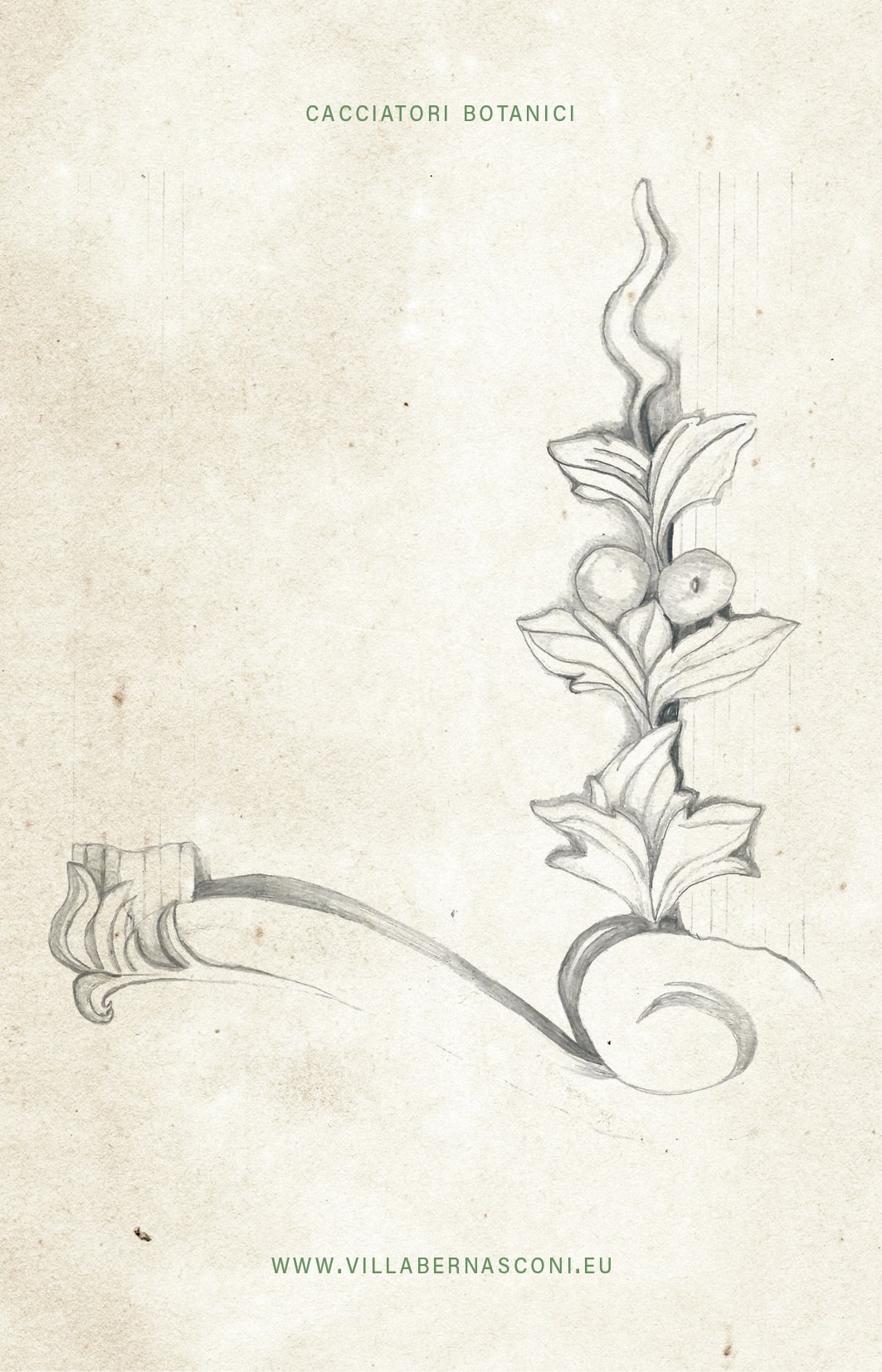
Find the corresponding decoration and take a photo of it
Pear
Pyrus communis
The pear is one of the oldest known and cultivated fruits, which is why there are so many varieties. Some of these have been lost over time, as the market demanded specific characteristics.
However, some nurserymen have managed to recover varieties that seemed to have disappeared: these are the so-called ancient fruits, fruits that we no longer see only in paintings, but that we can actually taste.
In botanical terms, though, the pear is what is called a “false fruit”: the true fruit of the pear is actually its core. The much-appreciated flesh is nothing more than the plant’s strategy to protect its seeds. Do you know how humans protect seeds?
INSIGHT
Imagine the northernmost place you can reach on a commercial flight, a remote island in the Svalbard archipelago. Here lies the world’s largest seed bank: the Svalbard Global Seed Vault. It stores more than one million samples, a kind of insurance policy for future generations and a safeguard against biodiversity loss.
But why build it so close to the North Pole? Can you guess? Because it is extremely cold. The vault is located about one hundred meters inside a mountain; in fact, only the entrance is visible. The surrounding rock, together with the permafrost, permanently frozen ground at depth, helps maintain the low temperatures needed to preserve the seeds, even without continuous power.
The stored seeds mainly belong to major food crops such as rice, maize, wheat, as well as beans, barley, and potatoes, with about five hundred samples preserved for each. Thus, in one of the most remote places on Earth, where plants can barely grow, all the plants essential for our survival are carefully safeguarded.